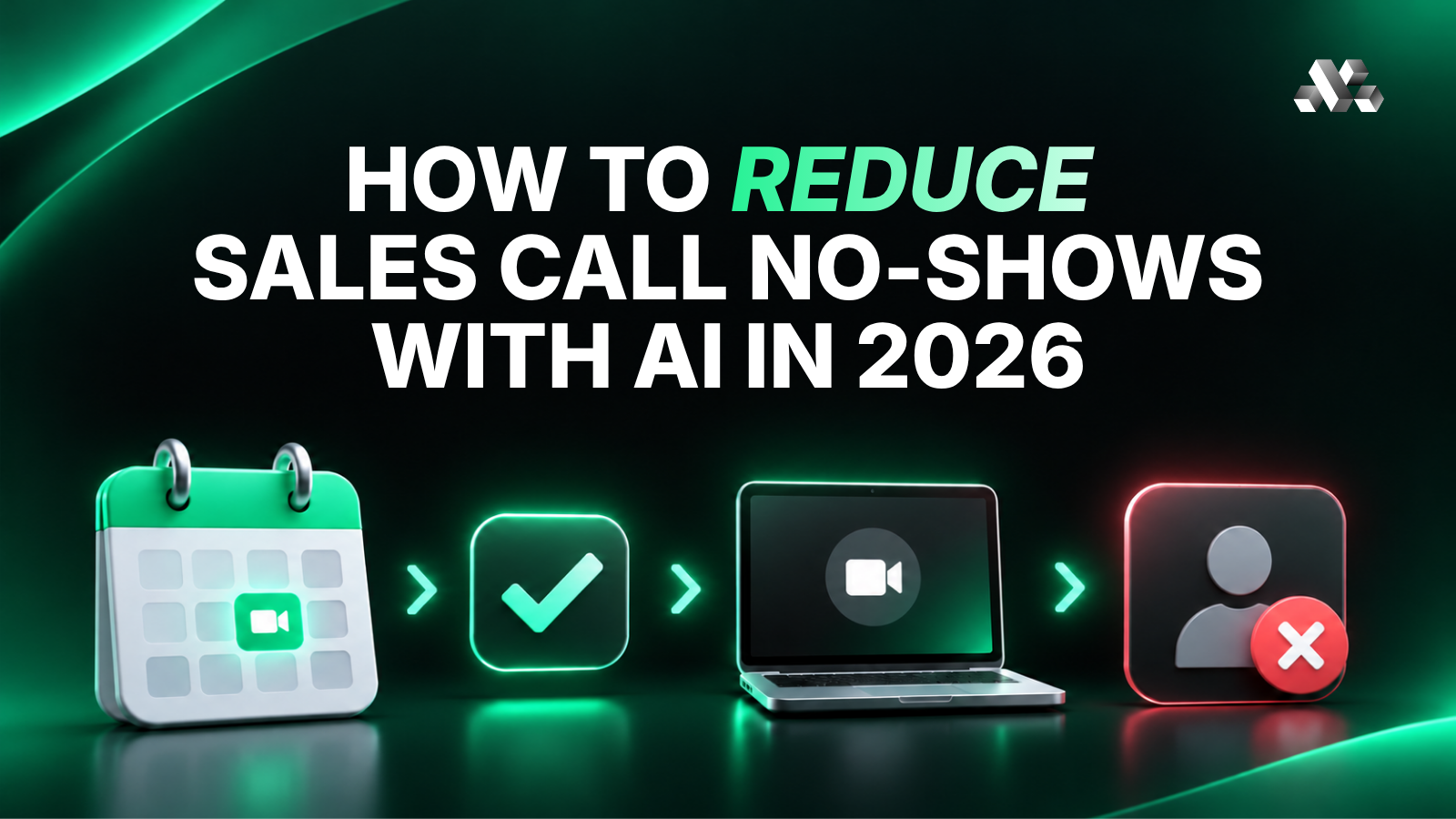
People miss booked calls for simple reasons. Booking was too easy, the call was too far away, or they forgot why they booked. Most of the fix happens before the call: book sooner, tell people what the call is for, remind them, and follow up quickly if they miss it.
That's worth fixing. Every booked call has already cost your business something. You spent money or time to get that person's attention, so when they don't show up, that effort is wasted.
Here's why people miss calls, how to get more people to show up, what to do when they don't, and where AI can help.
Why People Don't Show Up
In Magnet's Full Stack Growth System, a booked call sits in the Convert stage: turning warm interest into paying customers. It's the moment interest becomes a real conversation. A no-show means losing someone you already did the work to bring in.
But it's not only a Convert problem, and that's exactly why the Full Stack Growth System matters. Growth doesn't come from one stage working well. Each stage depends on the one before it. If Attract brings in the wrong people, reminders won't help. If Nurture hasn't prepared them, people book without knowing why. A leak in one stage shows up as a lost sale in another, and you can't fix what you can't see. You can read more in our guide to the Nurture stage.
So what actually causes a no-show? Most aren't rude. People forget, get busy, or weren't sure about the call to begin with. Here are the main reasons:
- They were only curious. If booking takes two clicks and asks nothing, anyone can do it, including people who were just having a look.
- The call is too far away. The longer someone waits, the more time their interest has to fade.
- They don't know what the call is. If the booking page promised one thing and the call feels like another, they have little reason to join.
- You went quiet. Many businesses send an invite and a link, then say nothing until the call.
- They didn't see the reminder. A generic message from a scheduling tool is easy to miss.
How common is it? RevenueHero looked at 18 weeks of bookings from its own customers. The average no-show rate was about 16%, and the best 10% were under 6%. That's one company's data, so treat it as a rough benchmark, not a target. Your own show rate matters more.
Count Calls That Happen, Not Calls Booked
Most businesses judge a channel by how many calls it books. That rewards the channel that books the most half-interested people.
Here's a made-up example. One source books 20 calls and 8 people show up. Another books 12 and 10 show up. On a booking report, the first one wins. In reality, the second is giving you more conversations, probably with better people.
So check your own numbers the same way: split your no-shows by source, and look at the calls that took place.
How To Get More People To Show Up
1. Book the call straight away
When someone asks for a call, let them choose a time right then. If you're the one reaching out, aim for the next day or two, not next week.
The longer the wait, the more likely the lead is to lose interest, forget the conversation, or find another option.
2. Ask a couple of questions first
Two or three questions before the calendar opens can filter out people who aren't serious. Ask what they want to solve and when they need it.
This is lead qualification at the moment of booking, and it gives your team context before the call.
3. Say what the call is
A standard calendar invite says very little. Send a short, personal confirmation instead: who they'll speak to, how long the call will take, what you'll cover, and what they'll get out of it.
For example: "You'll speak with Sarah for 20 minutes. She'll review your current follow-up process and show you where warm leads are being missed."
That gives people a reason to show up.
4. Remind them more than once
Send a confirmation right after booking, a reminder the day before, and a short message shortly before the call.
If they've agreed to it, a WhatsApp or text message is often more likely to be seen than email. Send it from a name they recognise, not a generic business number.
5. Give them something useful in between
Send a short video, checklist, case study or question about their situation.
If someone's already got something useful from you, the call feels less like a sales step and more like the next part of a conversation they started.
When They Still Don't Show Up
- Message them within an hour or two. Keep it friendly: "Sorry we missed you. Here's a link to pick a new time."
- Make rebooking one click. Don't make them reply and wait.
- Don't keep chasing. A couple of follow-ups is fine. After that, move them to a slower follow-up sequence.
- Write it down. Mark no-shows in your CRM and note where each one came from. If one source has far more no-shows than the rest, the problem started earlier: who you're attracting, or what you promised them.
Where AI Helps
This is repeat work that has to happen on time, which suits AI. An AI agent on your website, WhatsApp or Messenger can:
- Send a confirmation as soon as someone books
- Remind them before the call
- Answer simple questions, like how long the call will take or who they'll speak to
- Offer a new time if they miss it
- Pass the chat to a person if the question gets complicated
The point is to use AI for the timing, not to replace the conversation. Make sure someone on your team is ready to step in when a lead needs a human.
How To Start This Week
Check your show rate for the last 30 days and split it by lead source. If one channel produces far more no-shows, the issue may start before the booking.
Then look at what a lead gets between booking and the call. If it's only a calendar invite, add a short personal confirmation, a reminder the day before, and a final reminder shortly before the call.
Start there. You don't need a complex AI setup to reduce no-shows.
If you want to see where your funnel is losing warm leads, our free Growth Audit reviews your current setup and shows where revenue may be leaking.
FAQs
What is a normal no-show rate for sales calls?
It depends on the business, offer and booking source. One scheduling platform reported an average of about 16%, while its best-performing customers stayed under 6%. Use those numbers as a rough guide and track your own.
How many reminders should I send before a sales call?
More than one. A confirmation right after booking, a reminder the day before, and a short message shortly before the call is a good starting point.
Should I follow up with someone who missed a call?
Yes. Send a short, friendly message with a one-click link to rebook. After a couple of follow-ups, move them to a slower follow-up sequence.
Can AI reduce no-shows?
It can help. AI can handle confirmations, reminders and rebooking, and answer questions before the call. It works best when the call is clearly explained and a person is ready to step in when needed.